Strategic Research Theme: Culture, Equity and Community Development

Ensuring that grassroots communities do not just survive but thrive amid the challenge of multiple and fast‑evolving global disruptions lies at the heart of this Strategic Research Theme (SRT), whose scope extends from Hong Kong to the Global South.
As the world changes in new and profound ways, local communities face additional challenges in adapting to changing circumstances without putting at risk societies’ efforts to achieve social equity – whether in terms of income, gender, or equity among different social groups. Ensuring communities’ ability to prosper requires working at the intersection of major global challenges, such as mitigating the impact of climate change on vulnerable communities and strengthening environmental, social and governance (ESG) investment across financing initiatives.
Building on the Faculty’s Strengths
Community development is a rich and dense field that the Faculty of Social Sciences (FoSS) is well positioned to explore, thanks to both its long history of excellence in the field and the multi-national, multi-disciplinary character of the Faculty itself. These strong foundations continue to deepen as Faculty members expand the scope of their expertise to areas related to the Global South, explain the co-leaders of the Strategic Research Theme Culture, Equity and Community Development – one of four SRTs introduced by the Faculty to drive its research development and strategic directions.
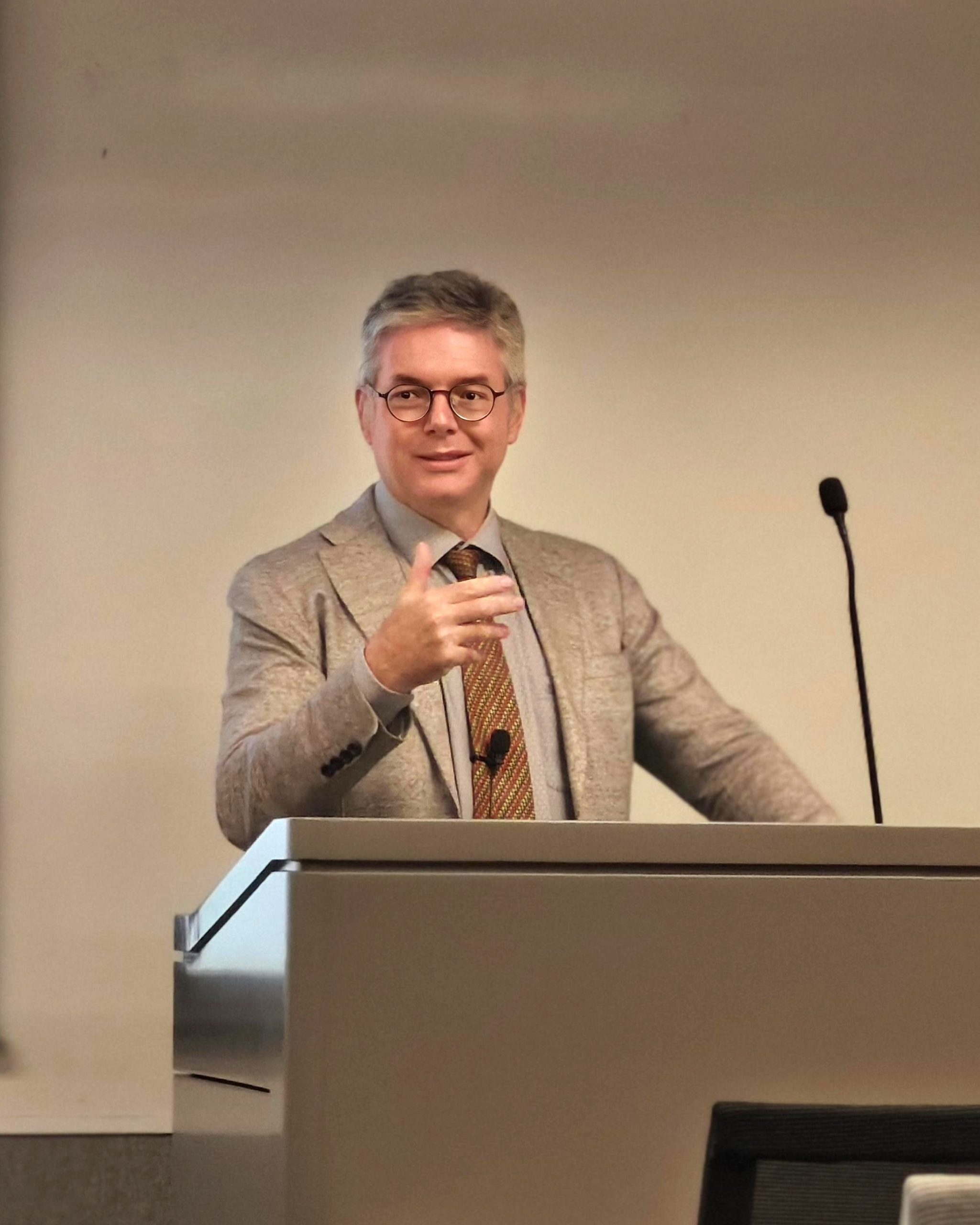
“At The University of Hong Kong, we have an international academic system, but also the convenience of working in China,” says Professor David Palmer of the Department of Sociology, co‑lead of the SRT. “This really creates a critical mass of high‑quality research and a highly international Faculty.”
Professor Palmer and co‑lead Associate Professor Enze Han of the Department of Politics and Public Administration plan to build on these strengths to create a body of research knowledge that will serve as a resource for identifying actionable solutions to challenges facing communities in Hong Kong, Mainland China, Asia and the Global South.
Professor Han notes that the SRT’s broad geographical scope largely reflects the research interests of colleagues.
“We’re also just following many of our colleagues’ own research agendas,” he says. “So in a way, it’s more of an organic kind of response. When we put out the call, people proposed, for example, these topics on Africa or whatnot – it’s mostly their own initiatives.”

Three Clusters
After providing seed funding to several projects, a clearer picture of the SRT’s research landscape has emerged. Broadly, it centres on the social dimension of sustainability across three main themes.
The first theme is sustainability and equity. Projects include research on climate vulnerability and cognitive health inequities among older adults in Hong Kong, a study exploring health disparities in ageing populations, and a study of emissions inequalities among Southeast Asia’s agricultural communities.
“We have a whole group of projects here that are looking at the intersection between climate change, sustainability, and equity – issues of equity or inequity in communities that are affected by climate change,” says Professor Palmer.
The second area is social empowerment and social mobility. It includes a project examining upward social mobility among women in Africa and its impact on gender equity. Another project in this area studies social mobility and self-compassion, which is a study in the field of psychology. It focuses on “… people who are engaged in upward mobility [and examines] to what extent do they put themselves to high standards and give themselves additional pressure or not,” explains Professor Palmer.
The third area focuses on the interconnections and community impacts of Global China, a grouping that includes a project on blockchain technologies around the world and the role played by Chinese participants. Another project, led by Professor Han, studies global Chinese migration. This project, which is still at an early stage, has a workshop planned for August 2026, which will be attended by approximately 10 international scholars.
“We have people coming from the UK, from Germany, but also from Mainland China, so we are going to have a good collection of papers and ideally later on, we’ll submit to a special issue in a journal,” says Professor Han.
Early Promise
Promising signs of potential practical applications are already emerging at this early stage of Professor Palmer’s work, in particular from a collaboration with the Global Society and Sustainability Lab to embed consideration of social impact into the financing decisions of financial organisations. Professor Palmer’s work focuses on the sociocultural dimensions of China’s Belt and Road Initiative, examining interactions between Chinese actors and local communities in Belt and Road countries. Chinese risk managers working in these areas are increasingly aware of the need to incorporate ESG and green financing into their investment portfolios, he says.
“We’re starting to work with some leading actors in the field of green finance in Hong Kong and China to develop risk assessment methodologies which are suitable to Chinese actors in the Global South, and we’re also doing this in collaboration with partners in Global South countries, such as Pakistan, Nepal, Laos and Indonesia,” explains Professor Palmer. “So, this is really moving toward real, actionable impact research.”
Contributing writer: Liana Cafolla