The Faculty of Social Sciences has successfully concluded the latest edition of its Global Bay Areas Impact Lab, an innovative experiential learning programme developed in partnership with Waseda University (Japan) and Sun Yat-sen University (Guangzhou).
Launched in 2024, the 12-credit programme connects students across leading global bay areas to explore social innovation, sustainability, and community development through academic study, fieldwork, internships, and international exchange. This year marked a significant milestone as Waseda University students joined HKU participants in Hong Kong following the Japan segment, transforming the initiative into a true two-way exchange.
The 2026 cohort brought together 28 students, including 19 from HKU Social Sciences, representing the Chinese Mainland, Hong Kong, Japan, Korea, Italy, and the United Kingdom.
The programme spanned three locations:
– Guangzhou and the Greater Bay Area: Field training at Sun Yat-sen University and six-week internships with social impact organisations.
– Tokyo and Fuji City: Academic lectures and experiential learning activities hosted by Waseda University.
– Hong Kong and the Northern Metropolis: Students explored urban development through lectures, guided visits, community engagement, and a Design Thinking workshop.
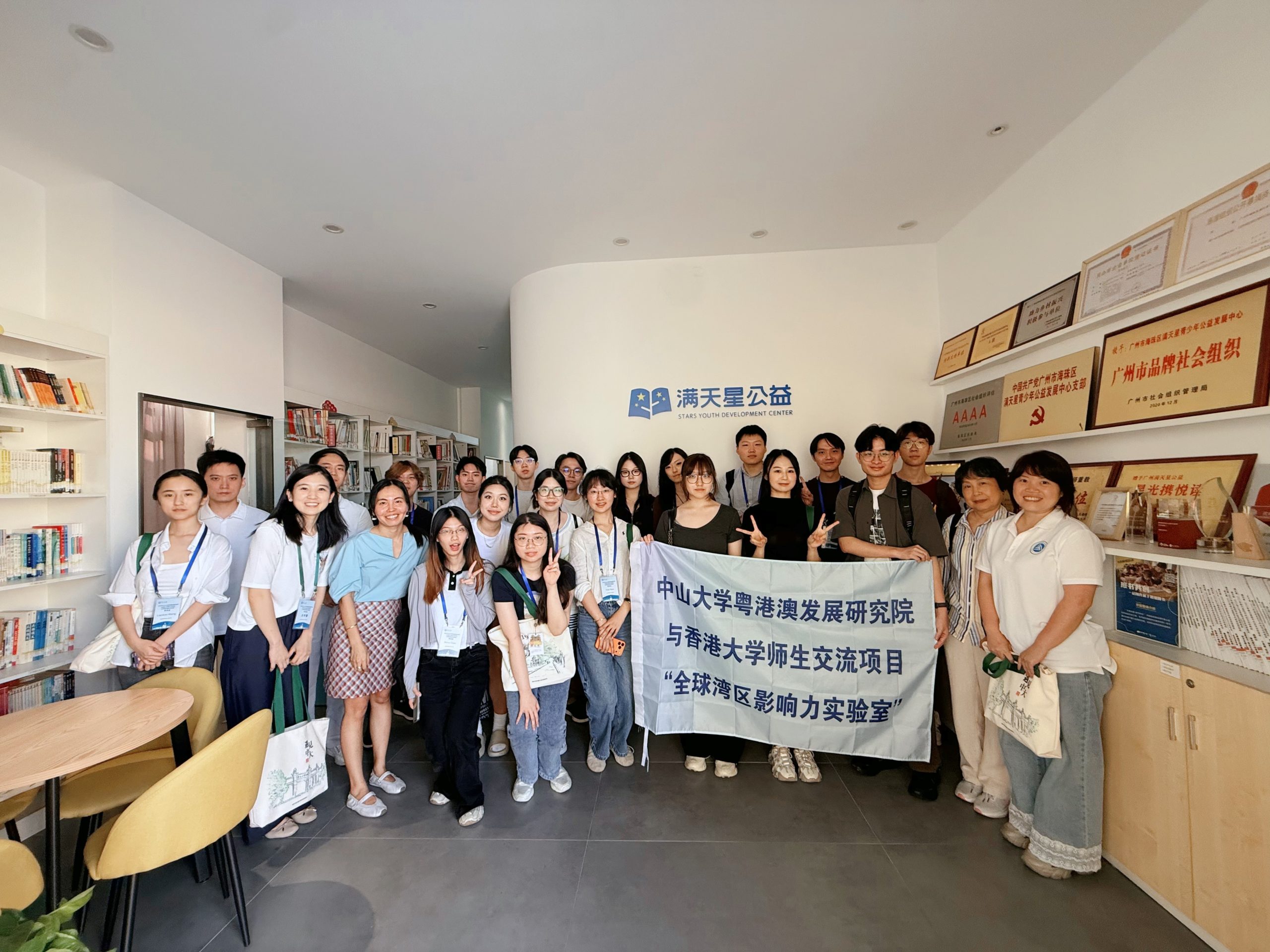
During the orientation at Sun Yat-sen University, students visited leading social impact organisations in the Greater Bay Area, setting the stage for their six-week internships. At the Starts Youth Development Center, a non-profit promoting quality reading for rural children, they explored first-hand how innovative approaches drive sustainable change.
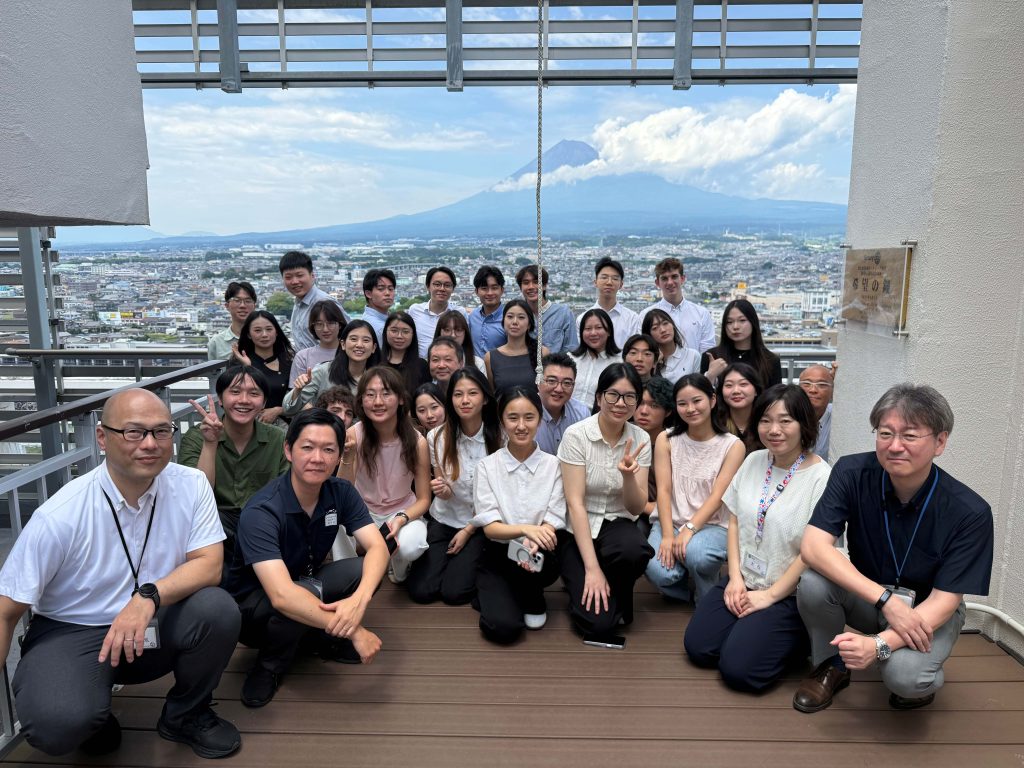 Warmly welcomed by the Mayor of Fuji City, HKU and Waseda University students teamed up to address real-world civic challenges. Through intensive field studies, these cross-cultural teams worked with various City Hall departments—spanning city planning, SDG promotion, and community development—to apply social innovation frameworks to local governance.
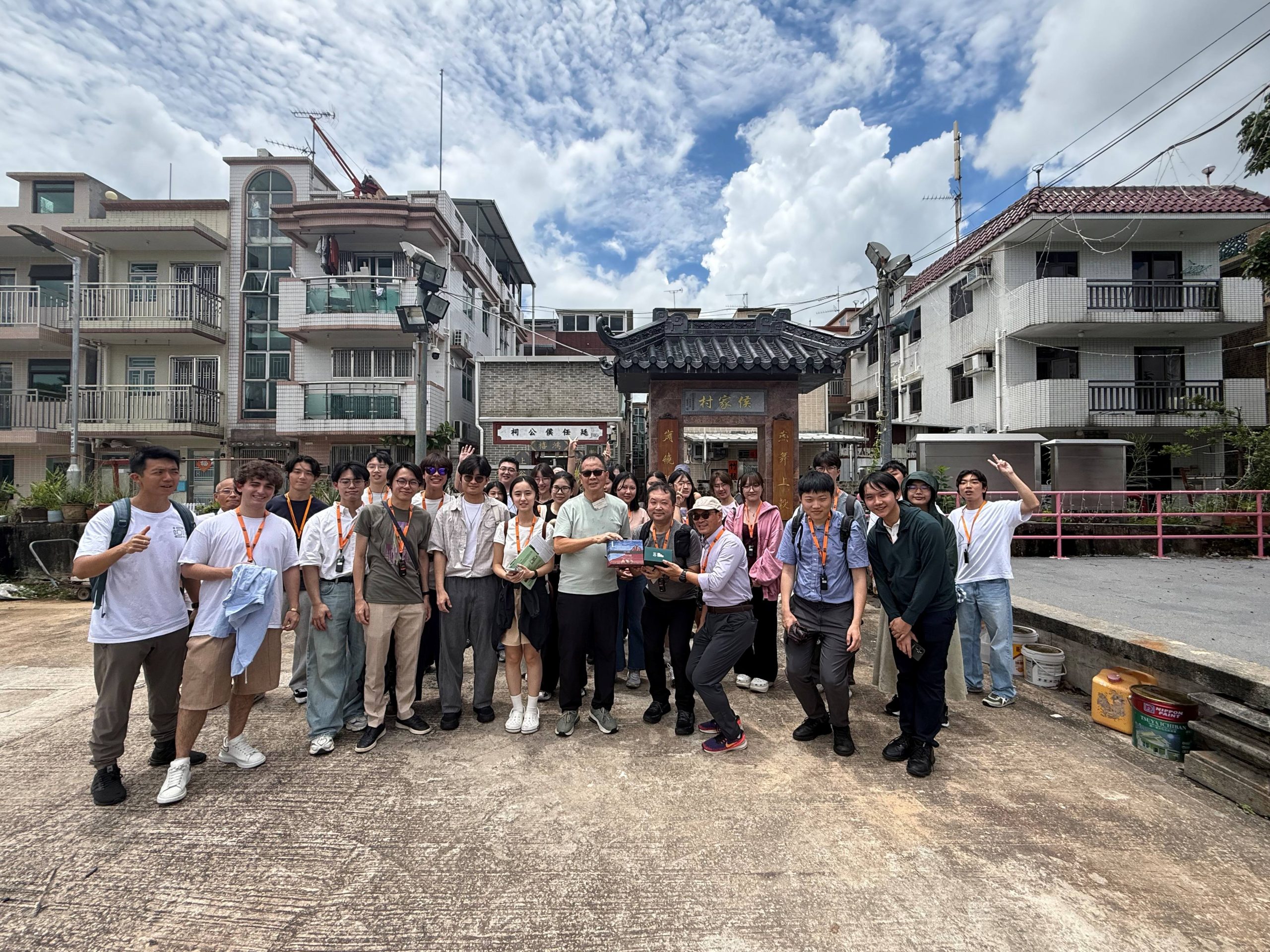
Bringing a social innovation mindset back to Hong Kong, students explored the rapidly evolving Northern Metropolis. By engaging directly with key stakeholders—such as Mr. Hau Wing-kong, Representative of Yin Kong Village in Kwu Tung—students examined the area’s history and future plans, exploring how to balance new urban development with the preservation of existing communities and ecosystems.
Through a comparative study of the Greater Bay Area and Tokyo Bay Area, participants examined how cities address challenges related to sustainability, social inclusion, and community development.
Reflecting on the experience, one student shared:
“To achieve real change, we need to mobilise the resources of different stakeholders and adapt solutions to local contexts from the bottom up.”
By combining international collaboration with real-world learning, the Faculty continues to empower students to become socially conscious, future-ready leaders equipped with a global perspective.