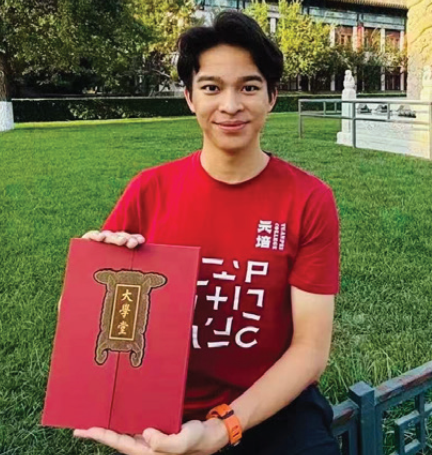

香港大學─北京大學雙學位課程(政治學、哲學與經濟學)

香港大學─北京大學雙學位課程
(政治學、哲學與經濟學)

此雙學位課程由香港大學社會科學學院與北京大學元培學院聯合開辦,旨在培養具備批判思維及領導才能的未來領袖,讓他們能夠應對全球化世界的各種挑戰。獲錄取的學生首兩年將在在北大修讀,隨後兩年於港大修讀。學生如有意於中國內地攻讀哲學碩士/博士學位,可選擇於第五年返回北大就讀。

課程特色

  • 香港首個政治學、哲學及經濟學(PPE)的雙學位課程
  • 兩所全球頂尖及國際知名大學就讀
    –  港大於2026年QS世界大學排名中位列全球第11、亞洲第2、香港第1,並於2025年泰晤士高等教育全球最國際化大學排名中位列第4
     北大於2026年QS世界大學排名中位列全球第14、亞洲第4、中國第1
  • 四年內於兩所著名大學獲頒兩個學位
    –  港大:社會科學學士
    –  北大:法學學士
  • 4+1修讀模式:首兩年於北大,隨後兩年於港大,並可選擇於北大修讀第五年,以銜接內地的哲學碩士/博士課程
  • 兩校學分互認,滿足雙方畢業要求

課程簡介

  • 總修業分數:318港大學分
  • 學分分布:
    –  港大學分:150分
    –  北大學分:84分(相等於168港大學分)
  • 授課語言:
    –  北大:中英雙語
    –  港大:英語(中文課程除外)

* 1港大學分 = 1 ECTS學分

學費及獎學金

  • 學生於第三及第四年在港大修讀時,需繳交港大的學費(2027-28學年本地生暫訂為港幣$49,500,非本地生為港幣$198,000;其後學年的學費將適時調整)
  • 表現優異的學生有機會在第三或第四年獲頒港大入學獎學金

入學資格

  • 有意報讀此雙學位的申請人須符合以下所有條件:
    1. 持有有效的港澳居民來往內地通行證(回鄉證),而並非澳門學生;及
    2. 於香港完成中學教育。
  • 持有於中國境內頒授國際課程(如IB、GCE A-level等)學歷的內地學生,不符合申請資格。

2026-27學年入學申請

  • 請於2026年1月31日或之前遞交網上申請及相關證明文件。
  • 經大學聯合招生辦法(JUPAS)報名者,需同時於JUPAS將港大社會科學學士課程(JUPAS編號JS6717)放在組別A
  • 非聯招(Non-JUPAS)報名者,需同時於Non-JUPAS系統將港大社會科學學士課程(編號6717)放在前三個選擇,首選者將獲優先考慮
  • 通過初步遴選者將獲邀參加面試
  • 高考考生需經北大報名
有興趣報讀此課程的同學,歡迎遞交意向表 ,以獲取更多課程詳情。
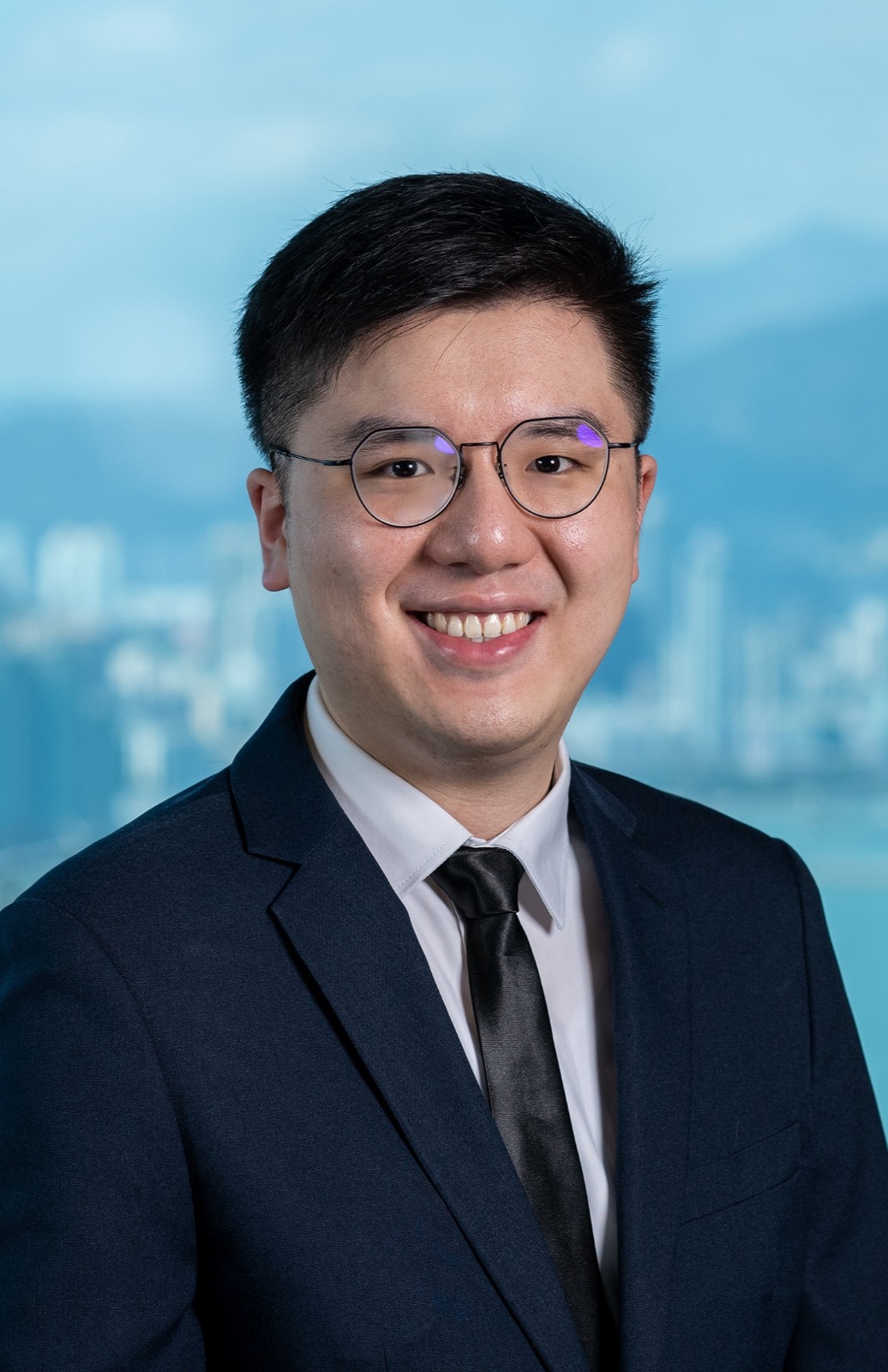
Brian Lam
Brian Lam
校友分享
“Studying Politics at HKU was transformative for my career. The rigorous training in analysis, argumentation, and understanding complex systems gave me the confidence to navigate new realms, tackle ill-defined problems, and shape compelling narratives for change - skills I rely on every day. International exposure is essential today; it sets you apart, builds adaptability, and opens doors in a competitive global job market.”
Brian Lam
Consultant, The Boston Consulting Group
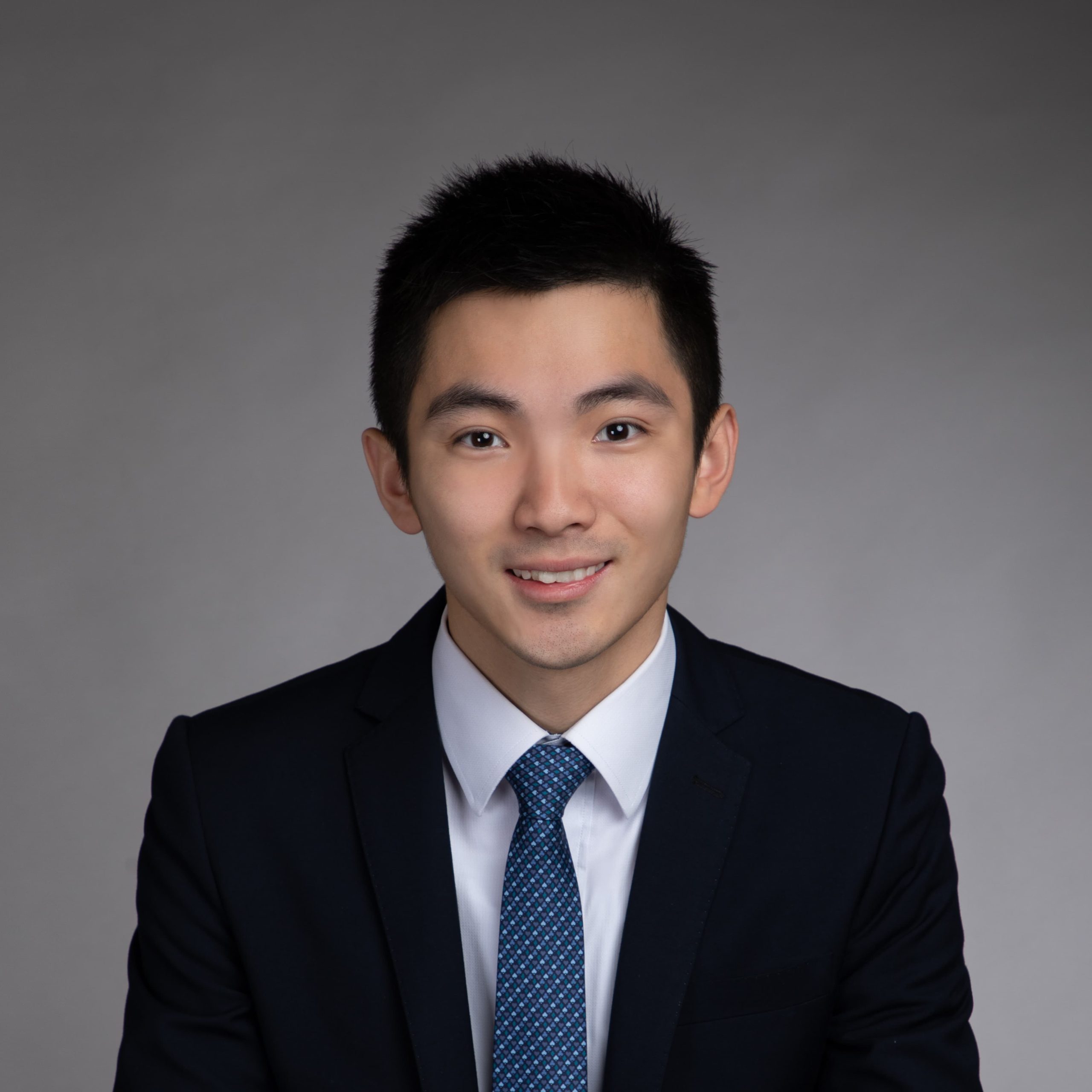
Victor Kwok
Victor Kwok
校友分享
"As a policy researcher, I see firsthand how politics and economics shape the world. Studying these fields equips students with the interdisciplinary perspective to analyze complex systems, address pressing global challenges, and to drive meaningful change."
Victor Kwok
Deputy Research Director, Our Hong Kong Foundation

Enquiries

FAQs

1. How can I identify a faculty member to be my potential Faculty Associate and how should I approach them?

To identify a suitable Faculty Associate, you can start by reviewing academic staff profiles on our Faculty’s website or contacting the relevant Departments/Centres/Hub to find members whose research interests align closely with your own. Once you have identified potential matches, reach out to them via email and provide necessary information/documents such as an outline of your research proposal and your CV. The suggested subject line is “HKU FoSS Global South Fellowship Scheme”.

2. What types of collaborative research projects are prioritised?

Projects that align closely with the Faculty’s Strategic Research Themes and that demonstrate potential for significant academic impact are prioritised.

3. What should I include in my application?

Your application should give information about your research expertise and professional achievements, and details of the proposed visit and planned scholarly activities, accompanied by your CV and a written consent from the Faculty member who act as your Faculty Associate.

4. What are the expected outcomes/deliverables of the fellowship?

Fellows are expected to engage in collaborative research projects with their Faculty Associate and/or other Faculty members that lead to at least one co-authored publication within one year upon completion of the fellowship.  They are required to submit a completion report to the Faculty Office within 3 months after the completion of the visit.  Publication information should be shared with the Faculty Office in a timely manner.

5. How can I maximise my engagement and impact during the fellowship?

Actively participate in all arranged activities, network with faculty and students, and seek out additional opportunities for collaboration and knowledge exchange.

6. What would be my appointment during the fellowship?

While you would be titled as a “Global South Fellow” within the Faculty, you would be offered a visiting professorship appointment at a grade equivalent to your current position in your own institution.

7. Are there any specific visa requirements for the fellowship?

Yes, you will need an appropriate visa to stay and work in Hong Kong. The Faculty Office will provide guidance in the visa application.

8. Can I bring family members with me during the fellowship?

While you can bring family members, the fellowship’s remuneration package only covers your expenses. Additional costs need to be covered out of your own pocket. Your family members may also be required to apply for a visa/entry permit as per the immigration requirements set out by the Immigration Department. Please refer to their website for further details.

9. How are the per-diem allowances disbursed?

The per-diem allowances are typically disbursed on a monthly basis, directly to the fellow’s bank account via telegraphic transfer (TT).

10. What kind of support will I receive for finding accommodation in Hong Kong?

Here is the list of serviced apartments near the University and the Central-Sheung Wan neighbourhood. The list includes essential information such as location, service package and room rates. The serviced apartment may also charge a deposit. You should always read the terms and conditions thoroughly before you rent so and refer to the serviced apartments’ websites for the latest offers.

Other options may include short-stay packages with hotels. While the per-diem allowance includes accommodation costs and fellows are expected to make their own arrangements, you may reach out to the host Department/Centre/Hub for advice regarding locations, transportation, and so on, to facilitate your preparation for the visit.

11. Will I have access to university facilities during the fellowship?

Yes, fellows will have access to university facilities, including IT services, libraries and computer labs, as needed for their projects. Additionally, they will be offered with a shared office space as arranged by the Faculty or the host Department/Centre/Hub.