
Even from Afar, Disasters Can Significantly Affect Physical and Mental Health
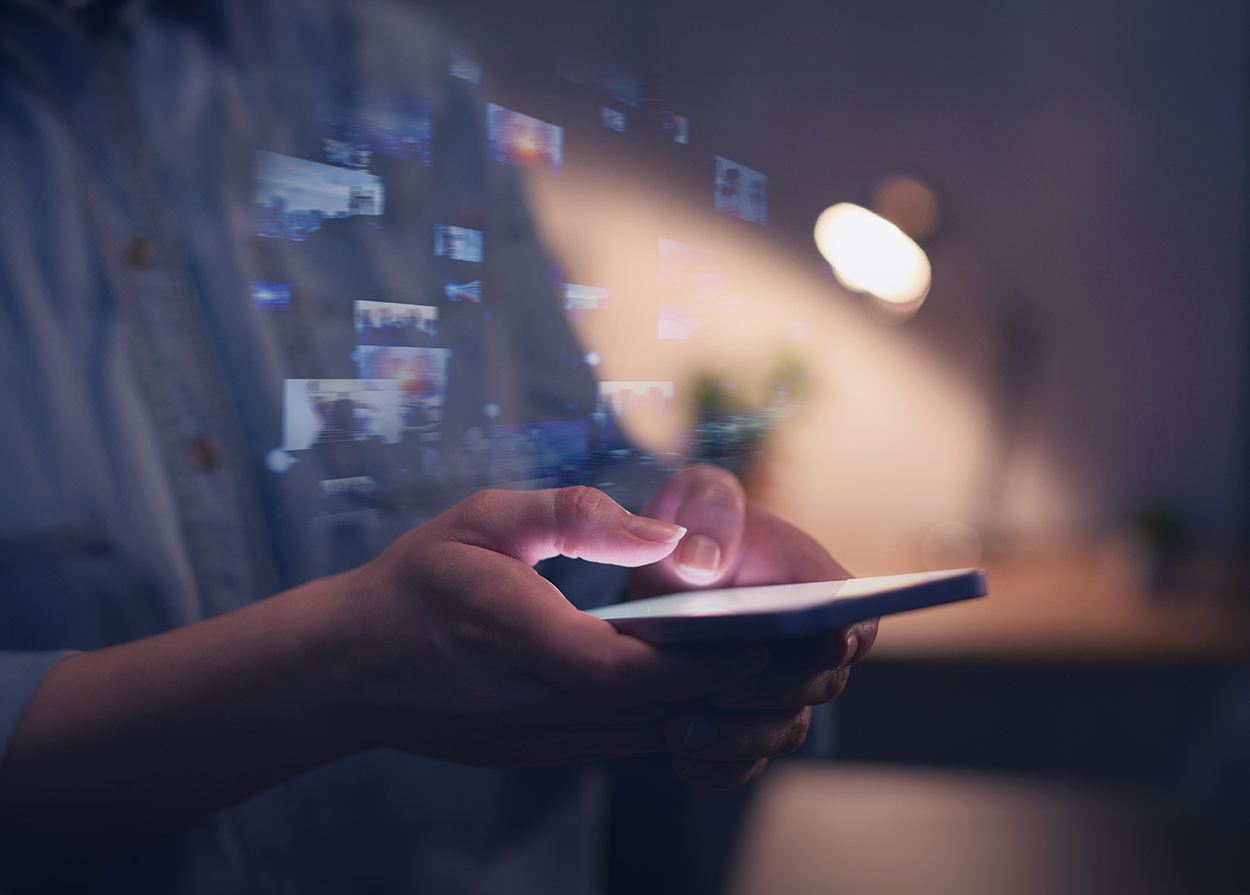
A groundbreaking study published in journal Wellbeing, Space and Society has revealed that major disasters can inflict significant physical and psychological trauma on individuals, even if they have no direct physical proximity to the scene or personal loss.
The research was conducted by an interdisciplinary team from the Faculty of Social Sciences, spanning the fields of Geography, Psychology, and Public Health. Utilising medical-grade smart wearable devices, the researchers captured rare, real-time data on public stress responses during the tragic 43-hour Tai Po fire in November 2025. By tracking remote witnesses who possessed no physical connection to the disaster, the Faculty’s study successfully uncovered a previously hidden public health crisis.
The empirical findings highlight several critical insights:
– Synchronised Physiological Stress: The data indicated that 42% of remote witnesses exhibited abnormal nervous system activation, with spikes in physiological stress occurring in perfect synchronisation with major breaking news updates.
– The ‘Dual Burden’ of Stress: The researchers identified a compounded effect where long-range wildfire smoke particles interacted with tragic media coverage through neural pathways, thereby escalating acute stress levels among the public.
– Impact of Excessive Screen Time: Prolonged media consumption was found to severely compromise mental resilience. Participants who logged more than six hours of daily screen time experienced a statistically significant decline in positive emotions.
The Faculty’s findings conclude that digital media functions as an active contagion of stress, effectively transmitting psychological trauma directly into the emotional spaces of the public. Based on these insights, the research team suggests that public health frameworks and emergency management protocols must look beyond physical geographic borders to develop strategies that protect psychological and emotional well-being within an increasingly interconnected digital ecosystem.
The full research article can be accessed HERE