Nurturing Future Leaders: Ongoing Industry Dialogues Reaffirm the Value of Social Sciences Graduates
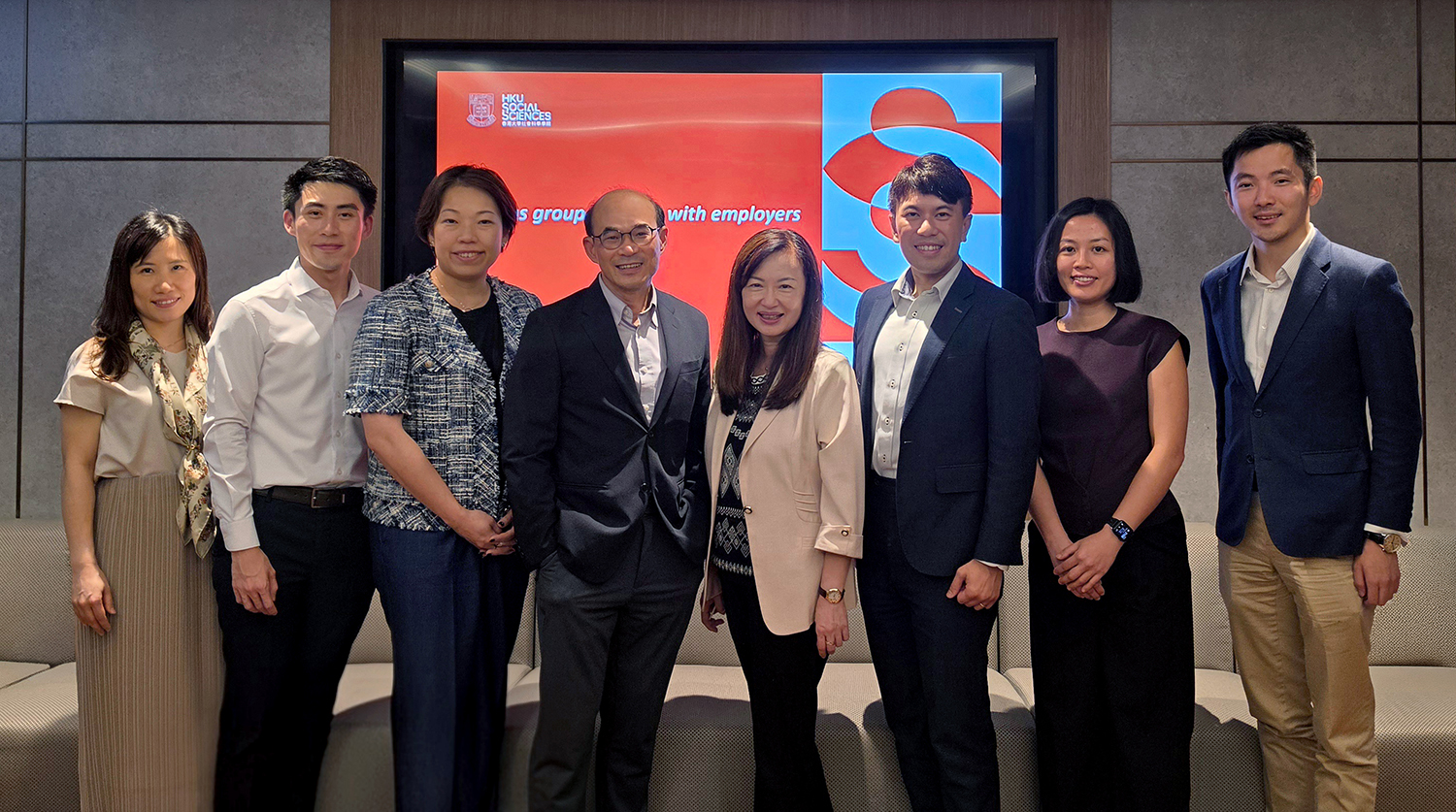
As part of the Faculty’s continuous commitment to human capital development and curriculum innovation, an engaging dialogue with distinguished alumni and key employer representatives was held on August 4, 2026. Led by Professor Samson Tse, Associate Dean (Undergraduate Education), this regular exchange of ideas ensures our academic programmes remain closely aligned with the rapidly evolving needs of the global job market.
The evening brought together FOSS alumni currently working in talent acquisition from diverse sectors – including human resources, policy research, government, finance, and real estate, alongside industry leaders. The conversation centred on the future of work and the emerging capabilities required to nurture our next generation of leaders.
The FOSS Advantage in the AI Era
A major theme of the discussion was the distinctiveness of social sciences graduates in an increasingly tech-driven world. Industry representatives emphasised that FOSS students excel in critical thinking, contextual understanding, and interpersonal communication – highly valuable traits that are difficult for AI to replace, positioning them as versatile professionals who seamlessly adapt to complex corporate cultures.
“The critical thinking and inclusive lens that Social Sciences students practise are deeply built into their mindset,” noted one participating industry representative. “While technical skills like coding can be easily automated or replaced, these deeply ingrained human capabilities offer enduring value that will carry them far in their long-term careers.”
Shaping the Curriculum for Tomorrow
The valuable insights gathered from these continuous stakeholder interactions serve as a vital resource for the Faculty’s strategic planning. Looking ahead, the dialogue illuminated several key areas for potential development. These include exploring ways to embed practical AI literacy into curriculum, helping students prepare to manage emerging technologies. Additionally, industry partners suggested exploring earlier career interventions – potentially starting from Year 1 – to help students better translate their rich cross-disciplinary experiences into compelling professional narratives, equipping them for modern employment trends.
The feedback collected will inform ongoing curriculum enhancements and strategic planning. This collaborative effort underscores the Faculty’s commitment to academic excellence and student success, emphasising the importance of fostering meaningful, long-term partnerships among alumni, students, and employers.